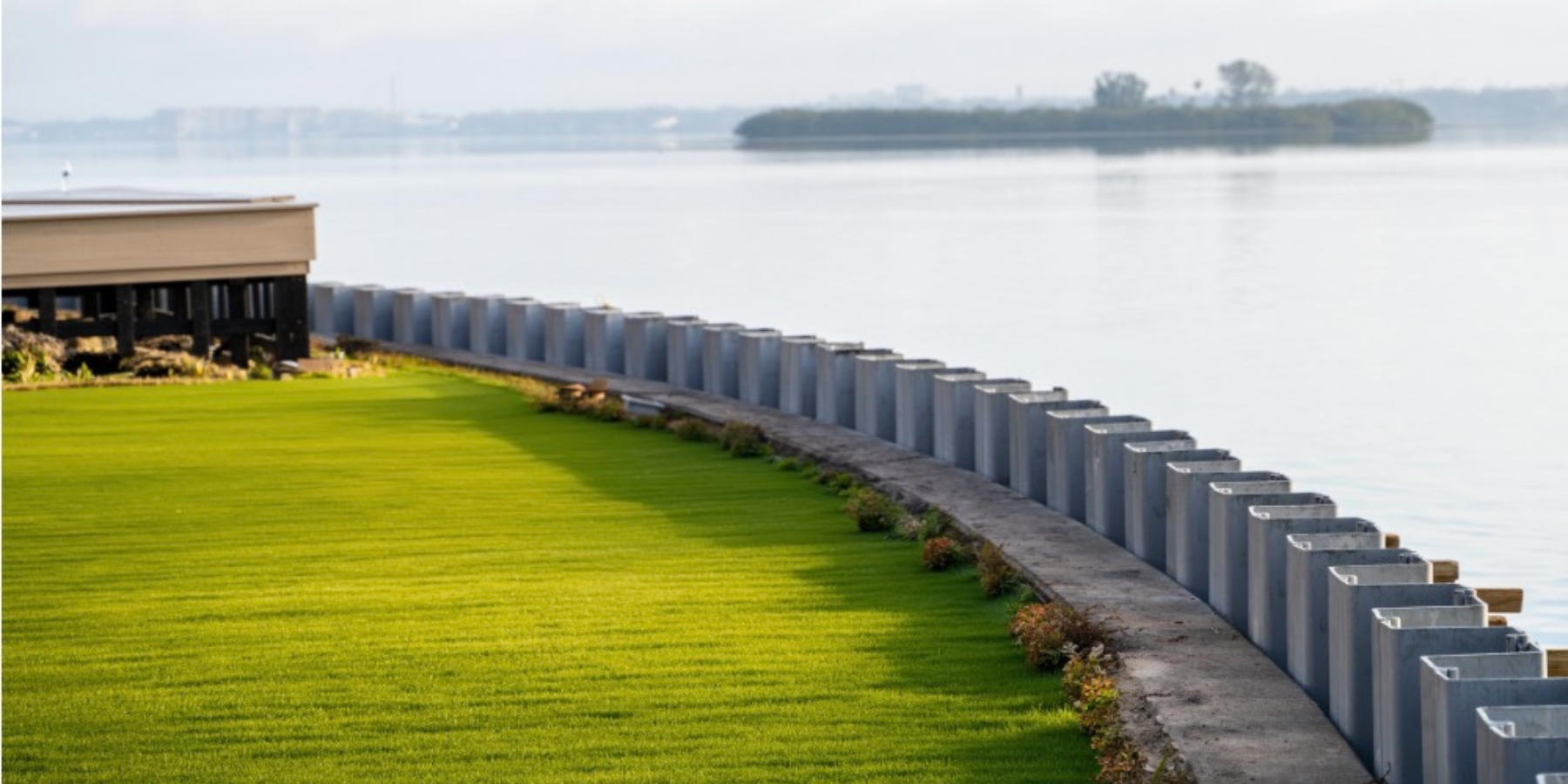
Why Vinyl Seawall Is The Top Choice for Waterfront Homeowners
If you own waterfront property, your seawall is doing more work than most people realize. It is holding back erosion, absorbing wave energy, and protecting your land every single day, through storm season, boat wakes, tidal shifts, and whatever else the water throws at it. When it is time to build or replace one, the material you choose determines how long that protection lasts and how much work it takes to maintain it.
More and more waterfront homeowners are choosing vinyl, and for good reason. Here is what makes it the strongest option for most shoreline applications.
What Is a Vinyl Seawall?
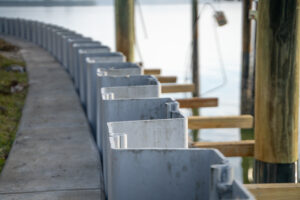
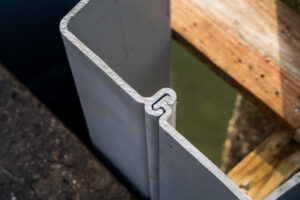
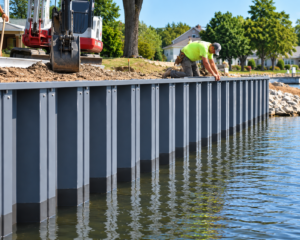
A vinyl seawall is a shoreline barrier made from interlocking vinyl sheet piling driven into the ground along the water’s edge. The sheets interlock to form a continuous wall that blocks erosion, resists wave pressure, and keeps your property line where it belongs.
Unlike concrete or wood, vinyl does not absorb water, does not rust, and does not rot. It is built specifically for the demands of a marine environment, which is exactly why it has become the go-to material for anyone building or protecting a shoreline near the water.
How It Compares to Other Seawall Materials
Wood -Wood seawalls were common for decades, but they have real limitations in a waterfront environment. Moisture causes wood to rot over time, marine borers can eat through untreated lumber, and maintaining a wood seawall requires consistent sealing and inspection. In a high-humidity, saltwater environment, the maintenance burden adds up fast.
Concrete – Concrete seawalls are durable and have been used in large-scale coastal construction for years. They are also heavy, expensive to install, and prone to cracking over time as the ground shifts and settles. Repairs on concrete seawalls can be significant projects in their own right.
Vinyl – Vinyl sheet piling is lightweight compared to concrete, far more resistant to moisture than wood, and engineered to handle the specific conditions of a marine environment. It does not corrode, does not rot, and does not require the same level of ongoing maintenance that wood or steel demand.
Why Vanguard Vinyl Seawall Stands Out
Not all vinyl seawall products are built the same. Vanguard Seawall is one of the leading options on the market, and it is what Decks & Docks carries for good reason.
Vanguard seawalls are made from high-quality recycled vinyl engineered to handle UV exposure, saltwater, and extreme weather conditions. A few things that set them apart:
- Built to last over 50 years with minimal maintenance
- UV- and impact-resistant, so they hold up through storm season and intense sun
- Environmentally friendly, made from recycled vinyl
- Backed by a manufacturer warranty that reflects confidence in the product
- Tested under real environmental conditions, not just in a lab
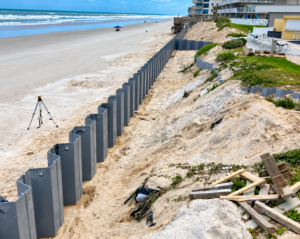
For homeowners in areas that see heavy storm seasons, those specs matter. A seawall that can take a hit and keep performing is not a luxury. It is the whole point
What Makes Vinyl the Right Choice for Most Homeowners
Low maintenance – Once a vinyl seawall is installed, it does not need to be sealed, stained, or treated. Routine inspection and occasional cleaning is about all it requires. For homeowners who already have enough to manage on a waterfront property, that is a significant advantage.
Saltwater and UV resistance – Both saltwater and prolonged sun exposure accelerate wear on traditional materials. Vinyl is specifically engineered to resist both. It will not corrode from salt contact or degrade from constant UV exposure the way wood and metal can.
Long lifespan – A properly installed vinyl seawall can protect your property for decades. The upfront investment is offset by the dramatically reduced maintenance costs and the fact that you are not looking at a full replacement in 15 to 20 years.
Works for contractors and homeowners alike – Vinyl sheet piling is lighter and easier to work with than concrete, which makes installation more efficient. For contractors doing waterfront work up and down the coast, that efficiency matters. For homeowners, it often means a faster project and lower labor costs.
What to Know Before You Build
A vinyl seawall is not a DIY project. Installation requires proper equipment, knowledge of soil conditions, and in most cases local permitting. A few things worth knowing before you start:
- Check local permitting requirements before any shoreline construction begins. Requirements vary by county and state.
- Soil conditions along your shoreline affect how deep the sheet piling needs to be driven. A contractor familiar with your area will know what is required.
- If you are replacing an existing seawall, have it inspected first to understand what you are working with before new materials go in.
- Consider whether you need any additional components like earth anchors or a seawall cap to complete the system.
If you are not sure where to start, our team can point you in the right direction.
Ready to Protect Your Shoreline?
Decks & Docks carries Vanguard vinyl seawall and a full range of seawall materials for residential and commercial waterfront projects. Whether you are building new or replacing an aging wall, we can help you find the right product for your property.